
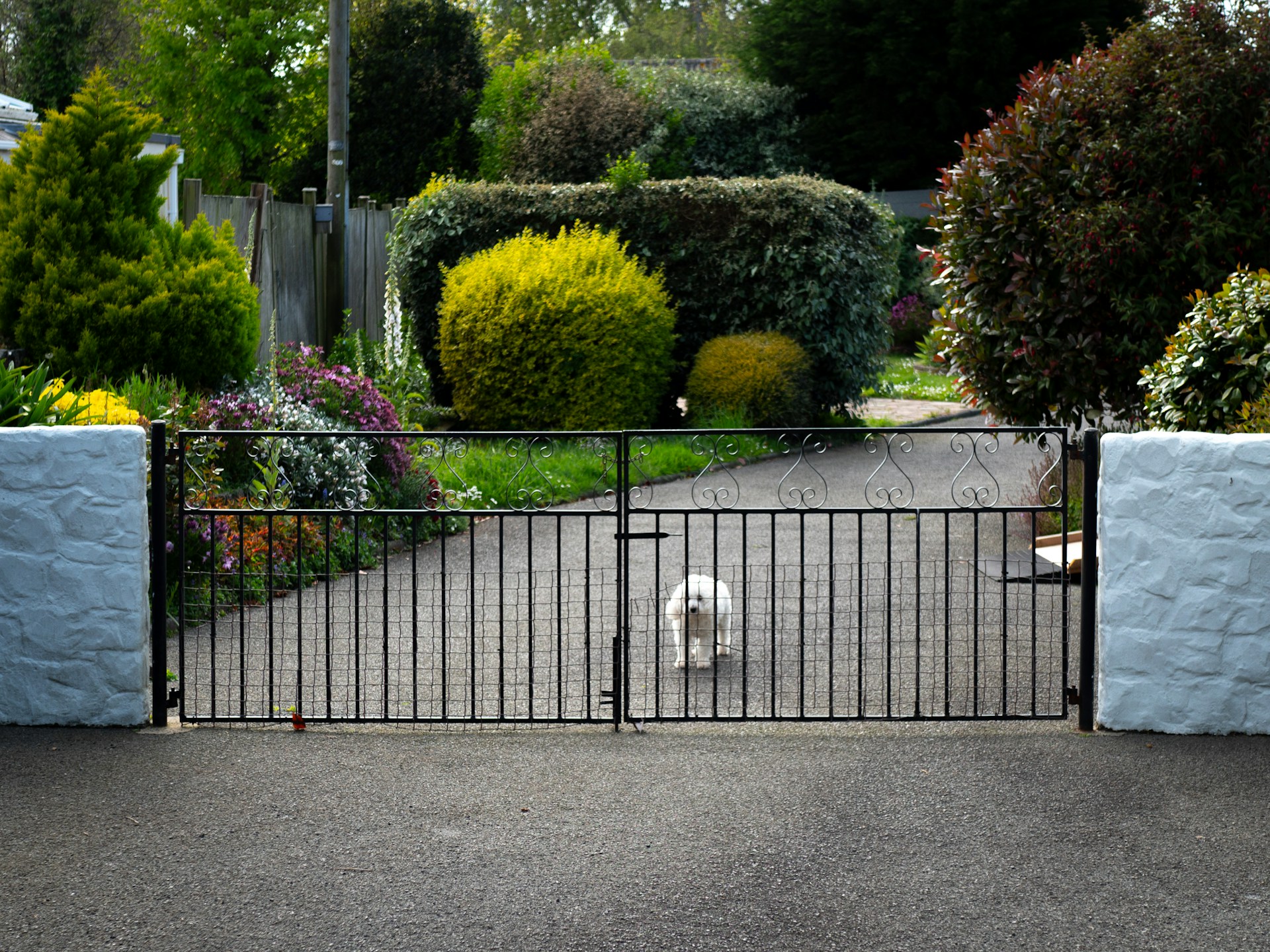
If you have a dog, your backyard can be one of the best parts of your home. It gives your pet room to run, play, explore, and enjoy some fresh air without needing to leave the property. But for all of that to work, you need a fence that can actually keep your dog safely inside. Choosing a dog-friendly fence is about more than picking a style that looks good from the street. Your dog’s size, personality, energy level, and ability to escape all matter. The right fence should give you peace of mind while still fitting naturally into your home and outdoor space.
Think About Your Dog’s Personality
Before choosing a fence, consider how your dog behaves. A calm older dog may be perfectly happy with a basic fence, while an energetic dog may test every possible escape route. Does your dog dig? Jump? Climb? Squeeze through small spaces? If your pet is particularly determined, you will need to choose a fence based on those behaviors rather than simply its appearance. Spending a little extra time thinking about your dog’s habits can help you avoid choosing a fence that looks great but does not actually work.
Pay Attention to the Gaps
A fence can be tall enough and still fail to contain a determined dog if the gaps are too wide. Smaller dogs can sometimes squeeze through surprisingly narrow openings, while puppies may find gaps especially tempting. Look closely at the spacing between fence panels, posts, or rails. The goal is to choose a design that prevents your dog from getting its head or body through the openings. A secure fence should make it difficult for your pet to find an easy way out.
Consider the Material
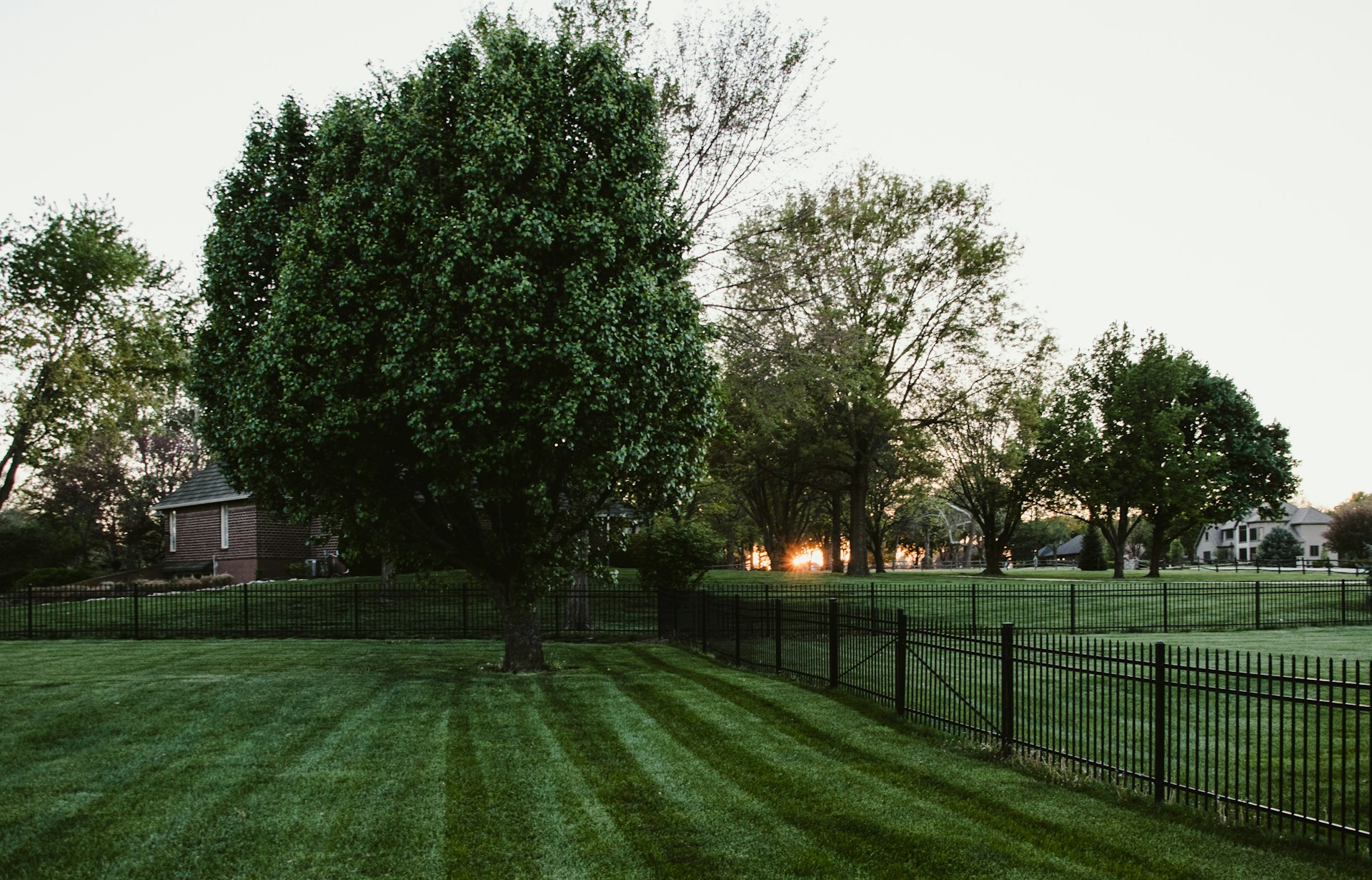
Different fencing materials offer different benefits for dog owners. Wood can provide privacy and a classic appearance, while metal fencing can offer strength and visibility. Vinyl is another option that can be relatively easy to maintain. The best material depends on your dog’s behavior and your priorities. If your dog becomes overly excited by seeing people or animals outside, a more private fence could help reduce distractions. If your dog prefers watching the world go by, a fence with some visibility may be more suitable.
Choose the Right Fence Height
Fence height is one of the most important considerations for dog owners. A small dog may not need a very tall fence, but larger or athletic dogs can clear surprisingly high barriers. Think about your dog’s size and jumping ability rather than assuming a standard height will be enough. If your dog has a history of jumping fences, a taller design may provide greater security. You should also consider nearby objects that could give your dog a boost, such as outdoor furniture, wood piles, or large planters.
Do Not Forget About Digging
Some dogs are natural diggers, and a fence that is secure above ground may not be enough to keep them contained. If your dog likes digging, pay close attention to what happens at the bottom of the fence. You may need a design or installation approach that makes it harder for your dog to dig underneath. Keeping the area around the fence clear can also help you spot new digging attempts before they become a serious escape route.
Think About Your Dog’s View
Visibility can have a surprising effect on a dog’s behavior. Some dogs become more anxious or excited when they can see pedestrians, other dogs, cars, or wildlife passing by. If your dog spends a lot of time barking at things outside the property, a privacy-oriented fence may create a calmer environment. On the other hand, some dogs enjoy being able to see their surroundings and may become frustrated behind a completely solid barrier. Consider what makes your particular dog comfortable.
Make Sure the Gate Is Secure
The fence itself can be perfect, but a poorly designed gate can create an obvious escape opportunity. Dogs quickly learn that gates are different from regular sections of fencing, especially if there are gaps underneath or an easy-to-open latch. Choose a gate with a secure latch and make sure it closes properly every time. If you have children or frequent visitors, consider how the gate will be used by everyone in the household. A secure system should be convenient enough that people will actually use it correctly.
Consider Maintenance
A dog-friendly fence should also be practical for you. Some materials require more maintenance than others, particularly when exposed to rain, strong sunlight, or changing temperatures. Think about how much time you want to spend cleaning, painting, repairing, or treating your fence. A durable, low-maintenance option may be worth considering if you want to spend more time enjoying your backyard and less time maintaining it.
The right fence for a home with dogs should match both your property and your pet. Consider your dog’s size, personality, jumping and digging habits, as well as the fence’s height, gaps, material, gate, and maintenance needs.