
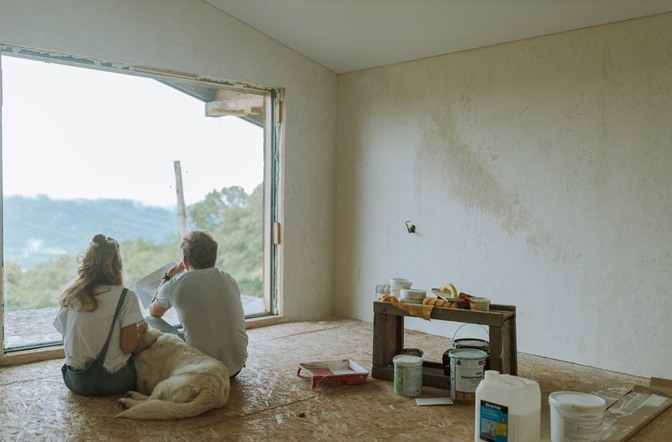
Transforming a property can be an exciting opportunity to create a space that looks better, works better, and suits your needs. Whether you are updating an older home, completely changing an existing property, or preparing a building for a new purpose, a successful transformation requires more than choosing new colors and materials. Careful planning helps bring all the different stages together and keeps the project moving in the right direction.
Start With a Clear Vision
Before making major changes, think about what you want the finished property to look and feel like. Exterior improvements such as fresh paint can have a major effect on the overall appearance, while interior changes can improve comfort and functionality. If painting is part of the plan, homeowners can research experienced North Texas House Painters early so the exterior work fits smoothly into the overall transformation. Having a clear vision also makes it easier to communicate your expectations to contractors.
Assess the Existing Property
A thorough assessment can reveal what needs to be repaired, replaced, removed, or completely redesigned. Older properties may have structural concerns, outdated electrical systems, damaged materials, or inefficient layouts that are not immediately obvious. Inspecting the property before creating a detailed plan gives you a better understanding of the work involved and helps prevent unpleasant surprises once construction begins.
Decide What Needs to Be Removed
Some transformations require significant removal work before new construction can begin. This could involve taking out old interiors, removing additions, clearing damaged structures, or preparing an entire site for redevelopment. Large-scale demolition requires careful coordination because safety, equipment, waste management, and surrounding structures all need to be considered. Establishing the demolition requirements early can make the transition into the next phase much smoother.
Create a Practical Budget

A complete property transformation can involve many different expenses, including design, labor, demolition, materials, permits, waste removal, repairs, and finishing work. Rather than focusing only on the most visible upgrades, consider the entire project from beginning to end when setting your budget. It is also smart to leave some room for unexpected costs because issues hidden behind walls, floors, or ceilings may only become visible once work starts.
Understand Permits and Regulations
Major property changes may require permits or approval from local authorities. Demolition, structural modifications, additions, electrical work, plumbing changes, and other construction activities can have specific requirements. Finding out what is needed before work begins can prevent delays and help keep the project compliant. Your contractor may be able to help identify the permits that apply to your particular project.
Choose the Right Professionals
A large transformation often involves several types of professionals rather than one contractor handling everything. Depending on the project, you may need demolition specialists, architects, builders, electricians, plumbers, and painters. Look at previous work, check credentials, and discuss timelines before making hiring decisions. Good communication between everyone involved can make a noticeable difference when one stage of the project needs to be completed before another can begin.
Plan the Construction Sequence
The order of the work matters. There is little point in painting an area before major construction or demolition has been completed, since later work could damage the new finish. Planning the project in stages allows demolition and structural work to happen first, followed by repairs, installations, surface preparation, painting, and other finishing touches. A sensible sequence can reduce rework and keep the transformation organized.
Think About the Final Details
The finishing stage is what often makes a transformed property feel complete. New lighting, flooring, fixtures, landscaping, exterior paint, and other small improvements can have a significant visual impact. Consider these details early rather than leaving every decision until the end. Choosing complementary materials and colors throughout the project can help create a finished property that feels intentional rather than pieced together.
A complete property transformation is much easier to manage when every stage is considered before work begins. A clear vision, realistic budget, proper assessment, planned demolition, qualified professionals, and a well-organized construction sequence can help turn a major project into a manageable process. With the right preparation, you can create a property that looks refreshed, functions better, and meets your long-term goals.