
Your Energy Bill Is a Map: What Your Home Usage Says About You

Most people glance at their energy bill just long enough to sigh and hit “pay.” But if you take a closer look, there’s more going on than just dollars and kilowatt-hours. That bill is basically a map of your home’s rhythm—it shows when you’re most active, what appliances you rely on, and even where energy is slipping through the cracks. The patterns hidden in your usage say a lot about your habits, your comfort zones, and the trade-offs you make daily. So, what’s your energy bill really saying about you?
Night Owl or Early Riser?
Energy usage over 24 hours can reveal your household’s sleep and wake cycles with surprising accuracy. If your usage spikes late at night, chances are you’re a night owl—maybe streaming, gaming, or doing laundry after hours. Early morning surges could suggest someone’s up brewing coffee at dawn and hitting the treadmill before work. These daily patterns may feel routine to you, but they show up in your energy data like clockwork. Energy companies often use this information to offer time-of-use plans that match your rhythm—if you know how to read it.
Always Home or Rarely There?
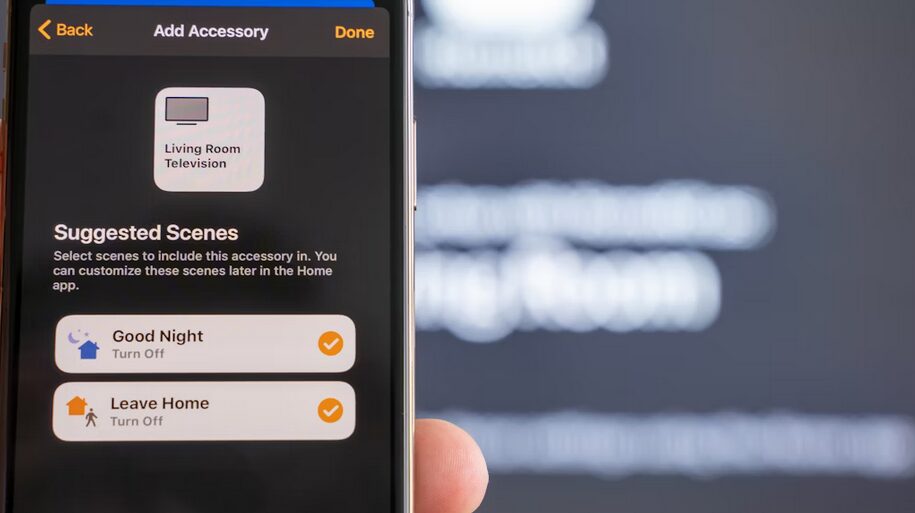
Your energy bill can also hint at your lifestyle. Low midday usage might mean you’re out of the house most of the day—perhaps at work or school—while consistently high daytime energy use could signal that someone’s home, whether working remotely or caring for family. Seasonal changes can also reveal patterns, like a sudden jump in heating or cooling when your routine shifts. These trends offer clues about your living situation, whether you’re running a home office, caring for kids, or simply enjoying a lot of indoor time.
Creature Comforts and Hidden Costs
Love your long showers, always-on AC, or heated floors? Your energy bill definitely knows. Comfort comes at a cost, and that cost is often quietly reflected in consistent spikes in energy use. High electricity usage from HVAC systems or electric water heaters shows up clearly, especially during extreme weather months. If you’ve got a lot of “comfort tech” in your home, your bill likely reflects your priorities. That’s not necessarily a bad thing—but being aware of what’s driving your biggest expenses can help you decide whether it’s worth it.
Phantom Loads and Forgotten Devices
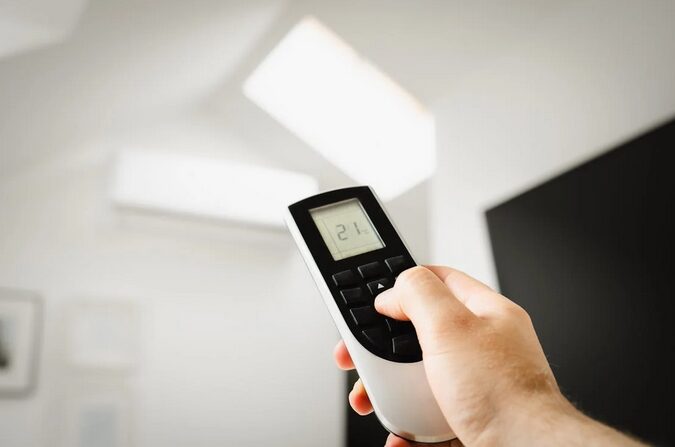
You might think that turning something “off” means it’s not using power, but that’s not always true. Many devices continue to draw electricity in standby mode—TVs, chargers, gaming consoles, coffee makers with clocks. These phantom loads don’t spike your bill, but they do quietly stack up over time. If your baseline energy usage seems high even when you’re not home, it could be your house full of “off-but-not-really” devices keeping your energy bill padded. It’s worth checking what’s plugged in and drawing power around the clock.
Big Changes Tell a Story
Sudden shifts in your energy bill can reflect bigger life changes—moving in or out, new roommates, a baby, a new appliance, or switching from gas to electric heating. Even installing solar panels or upgrading insulation will show up in your usage trends over time. These shifts are like plot twists in the story your energy data tells. And just like in any good story, recognizing the turning points can help you understand what’s working and what might need adjusting.
Your energy bill isn’t just a list of charges—it’s a reflection of how you live. From your morning routine to your weekend habits, the data in those numbers tells a story about your priorities, patterns, and preferences. By learning to read that map, you gain more than just control over your utilities—you gain insight into your lifestyle. And with a little awareness, you can make choices that not only save money but also align better with how you really want to live.…






 Prepare For a Higher Rate
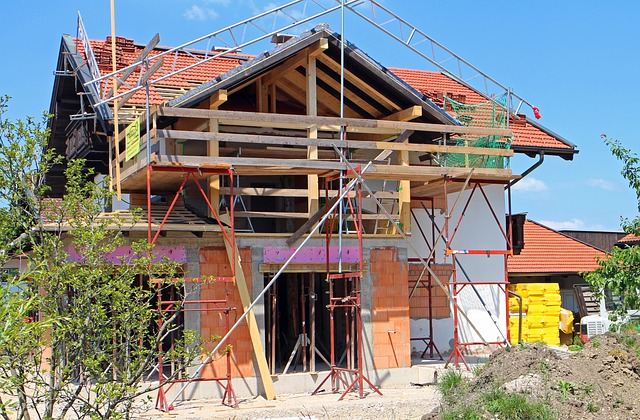
 When trying to determine the cost of your renovation, you must first know whether the renovation requires permit, as this is charged at an average of $10 per square meter. Another issue to consider is whether there will be any demolition of walls. If there will be, then demolition costs should also be added to the total. In case there’s any desire to change the house layout during the renovation, then architectural cost at $2 per square feet should be considered as they will be drawing new plans for the house.